Cold Weather and Sickle Cell: How I Cope
As the seasons shift from winter's cold to spring's welcoming warmth, I reflect on the challenges and resilience of living with sickle cell anemia, especially during the colder months ....

Dunstan Nicol-Wilson is from London, England, and was diagnosed with the “invisible disorder” sickle cell anemia from birth. Nicol-Wilson has a BSc in bioscience and an MSc in public health (global health). He has spent his career in research governance and is now a clinical project manager. In addition, he is also a freelance columnist and mentor. Nicol-Wilson began advocating for sickle cell anemia in 2018 through various talks, columns, and community outreach. He hopes his advocacy will raise awareness for sickle cell and blood donation, encouraging others to share their stories. Outside of work and advocacy, he loves to travel, try new experiences, and spend time with friends and family. He can be contacted via Instagram and LinkedIn.
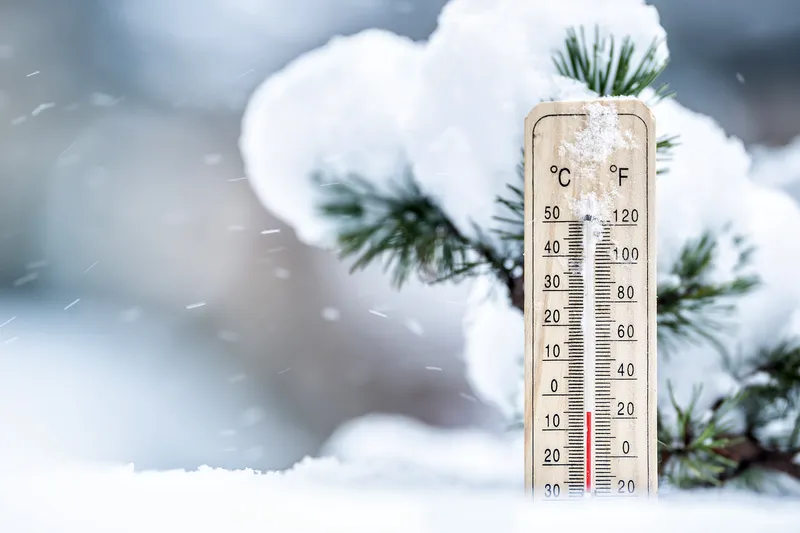
As the seasons shift from winter's cold to spring's welcoming warmth, I reflect on the challenges and resilience of living with sickle cell anemia, especially during the colder months ....

Being open about my health in the workplace became a turning point in my journey, both professionally and personally.
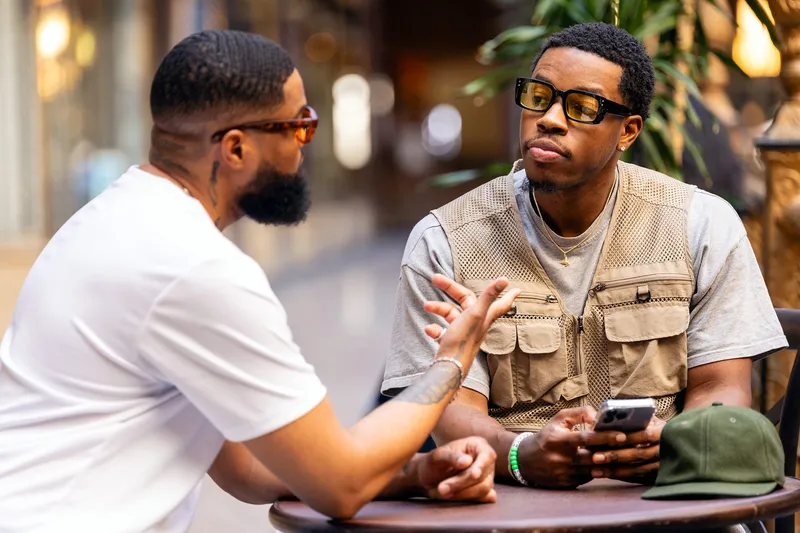
Whether it's a friend, a colleague, or someone new I meet, at some point, it comes up. Not only do I discuss it, but I also welcome questions.
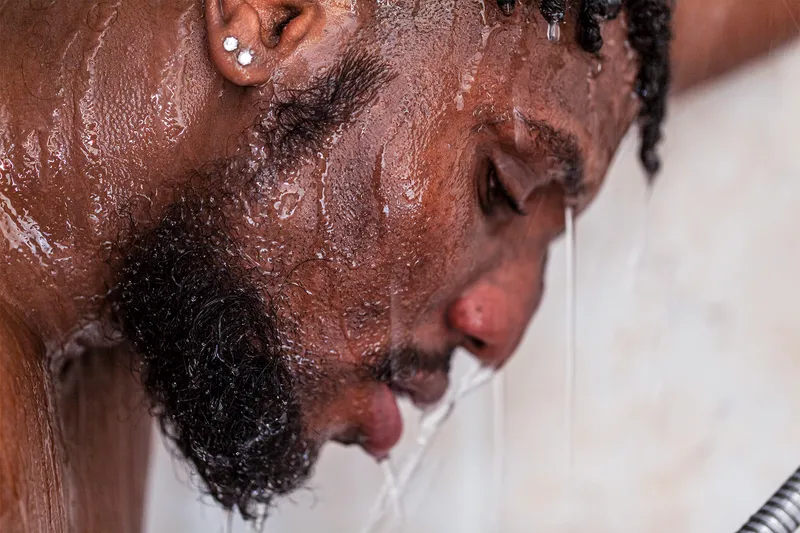
I hope you remember that healing takes time, and that you don’t have to do it alone.
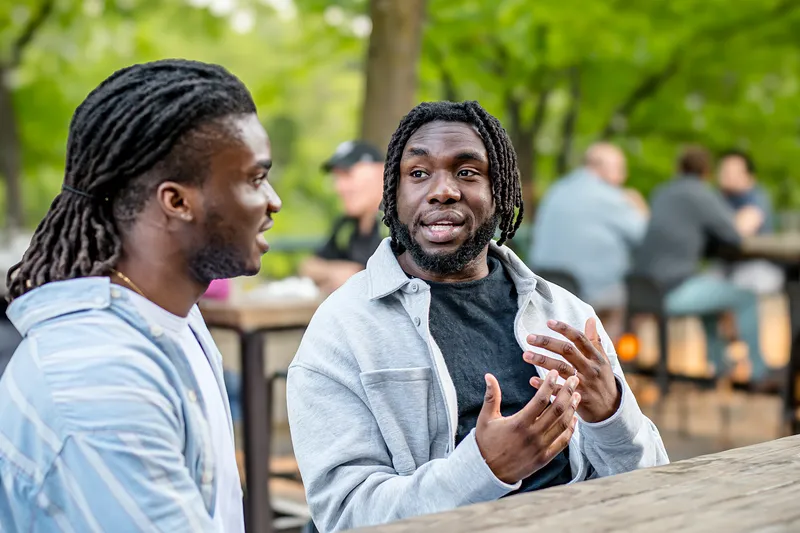
When people asked if I was OK, I defaulted to "I'm fine." But beneath the surface was a tangle of self-blame, doubt, and frustration that I hadn't fully processed.
In that state, all my commitments, work, meetings, therapy sessions, and appointments faded away. All I could focus on was survival.